Event Website Development

An event website is more than an information hub—it is your primary conversion engine. It is where potential attendees, sponsors, and exhibitors decide whether your event is worth their time and investment.

At Markely, we design and develop event websites that combine conversion-focused UX, SEO-driven architecture, and seamless integrations to maximise registrations and engagement.

Key Features:

  • SEO-optimised event website design
  • Mobile-responsive layouts
  • Integrated registration and ticketing
  • Agenda and speaker modules
  • Sponsor and exhibitor showcase
  • Fast-loading and secure architecture

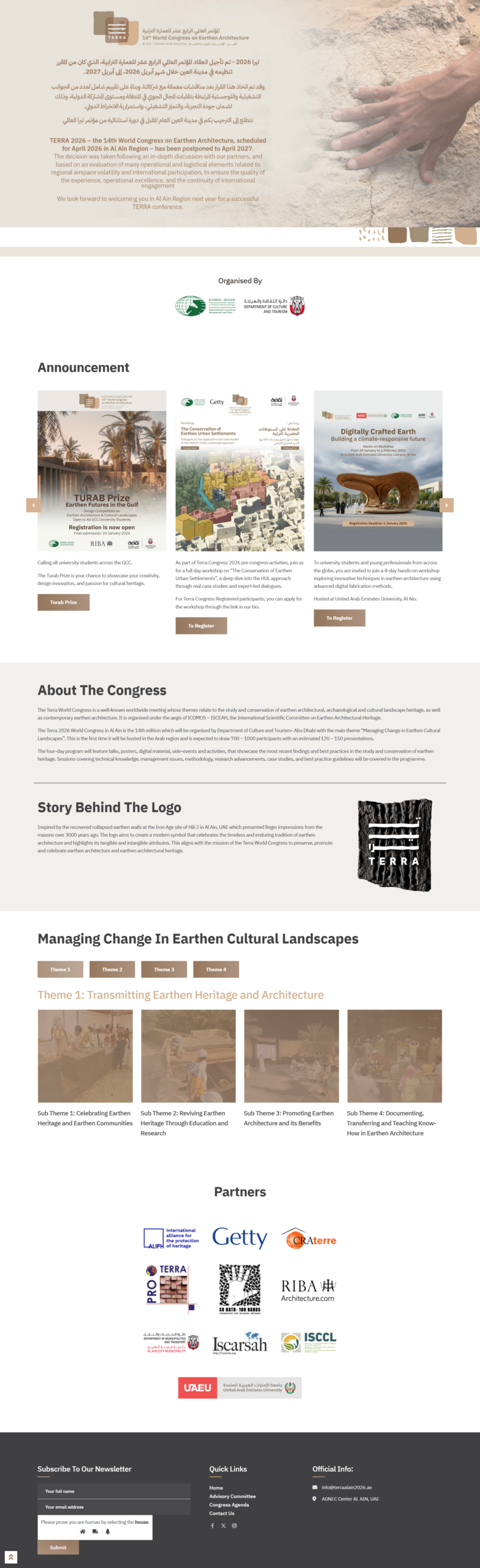
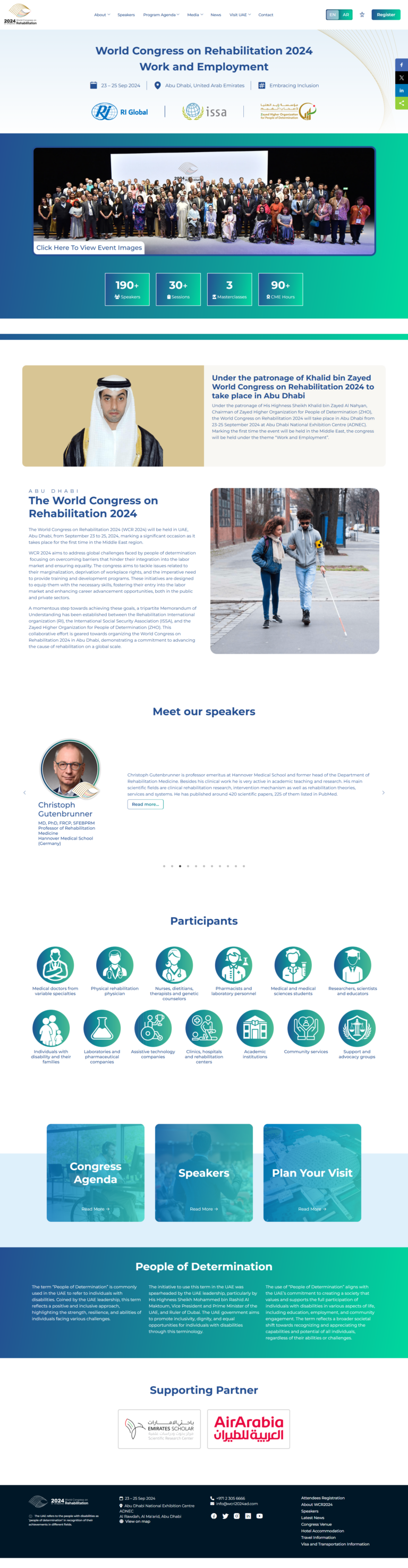
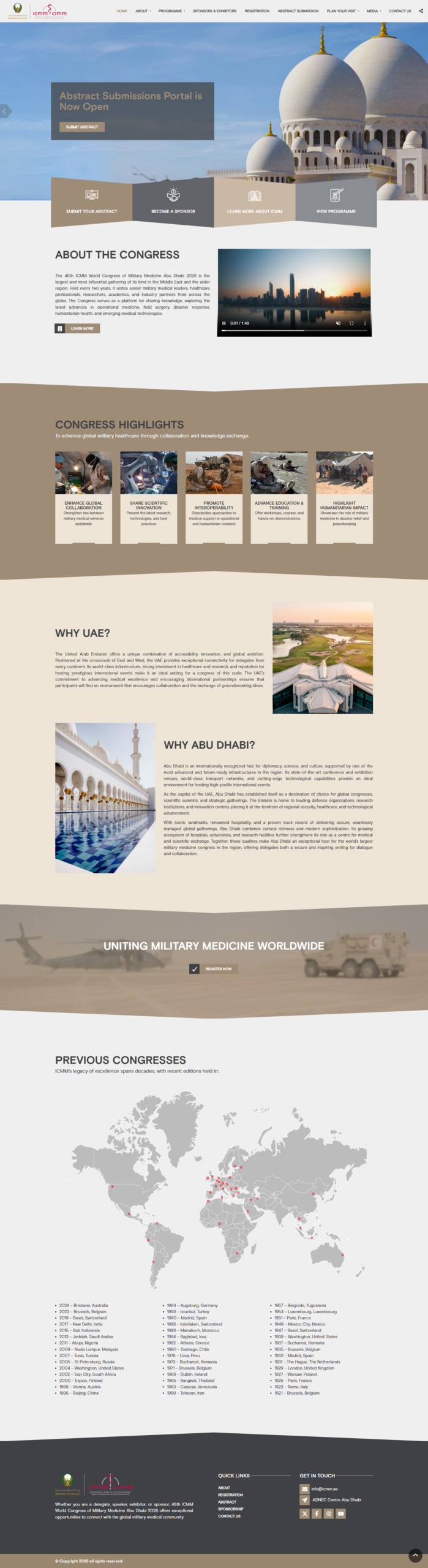
Event Websites created by Markely

Visit Site
Visit Site
Visit Site
Visit Site
Visit Site

SEO-Optimised Event Website Development

An event website must be discoverable to drive organic registrations. SEO is built into every stage of our development process.

Our SEO Framework:

  • Keyword-optimised page structure (event, location, industry)
  • Meta titles, descriptions, and schema markup
  • Optimised headings (H1, H2, H3 hierarchy)
  • Image optimisation with alt text
  • Internal linking and content structure

Each page is treated as a standalone landing page to maximise visibility in search results and capture high-intent traffic.


Event Website Integrations

Modern event websites must integrate seamlessly with other event technologies to create a unified ecosystem.

Key Integrations:

  • Event registration and ticketing platforms
  • CRM and marketing automation tools
  • Email marketing systems
  • Payment gateways
  • Analytics and tracking tools

Integrated platforms streamline operations and enable better data tracking across the entire event lifecycle.


Performance, Speed and Security

Website performance directly impacts both SEO rankings and conversion rates. Slow or insecure websites lead to higher drop-offs and reduced trust.

Our Performance Standards

  • Fast-loading, optimised code and assets
  • Mobile performance optimisation
  • Secure HTTPS and data protection
  • GDPR-compliant data handling
  • Scalable infrastructure for high traffic

Secure and trustworthy websites significantly improve user confidence during registration.


Data, Analytics and Conversion Tracking

Understanding user behaviour is key to improving performance. We integrate analytics tools that allow organisers to track:

  • Traffic sources and user journeys
  • Registration conversion rates
  • Engagement across pages
  • Drop-off points

These insights help continuously optimise the website and improve marketing effectiveness.


Event Website Development for Different Event Types

We design websites tailored to specific event formats:

  • Conferences and summits
  • Exhibitions and trade shows
  • Corporate events and product launches
  • Association and academic conferences
  • Hybrid and virtual events

Each website is customised based on audience behaviour, event scale, and marketing objectives.


Frequently Asked Questions

A high-performing event website combines strong UX design, clear messaging, fast performance, and SEO optimisation. It should guide users seamlessly from discovery to registration while providing all necessary event information in a structured format.

User experience directly affects how easily visitors can navigate the website and complete actions. Clear layouts, intuitive navigation, and strong calls-to-action improve engagement and increase conversion rates.

SEO ensures that your event appears in search results when potential attendees are actively looking for relevant conferences or exhibitions. This helps drive organic traffic and reduces reliance on paid marketing.

Event websites should integrate with registration systems, CRM platforms, email marketing tools, and analytics systems to streamline operations and provide a unified view of attendee data.

Conversion optimisation involves clear messaging, strong CTAs, simplified registration flows, mobile-friendly design, and performance optimisation to reduce friction in the user journey.

Ideally, an event website should be launched at least 4–6 months before the event to support marketing campaigns, SEO indexing, and audience acquisition.

Yes, modern event websites can integrate virtual platforms, live streaming, and digital engagement tools to support hybrid and fully virtual event formats.